
Memory Rewrites the Present
Out Stealing HorsesTrond’s memories do not simply preserve the past: new knowledge, present events, and later losses change how he interprets what he remembers.
increasing Bearing strength in each event
 decreasing
Bearing strength in each eventdecreasingA Nest Recalled
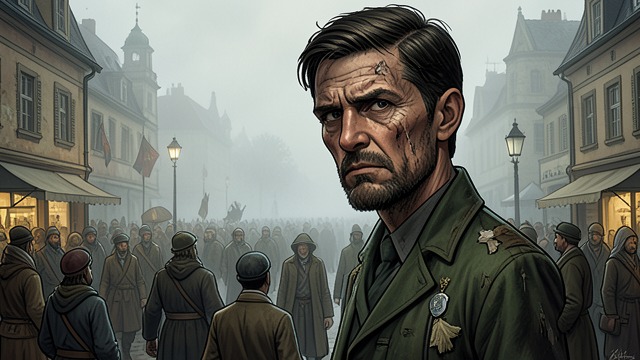
A Nest Recalled
Recognition Changes Memory
Once Trond realizes who Lars Haug is, the summer of 1948 returns with greater force. The memory of Jon destroying the goldcrest’s nest can no longer stand alone.
A New Context
Trond now understands that the family was living through a tragedy he did not know about. He still cannot know exactly what Jon felt, but he can see the outburst as part of a larger grief.
Memory remains vivid but incomplete. Recognition changes its meaning without making the past fully recoverable.
A Story from Franz
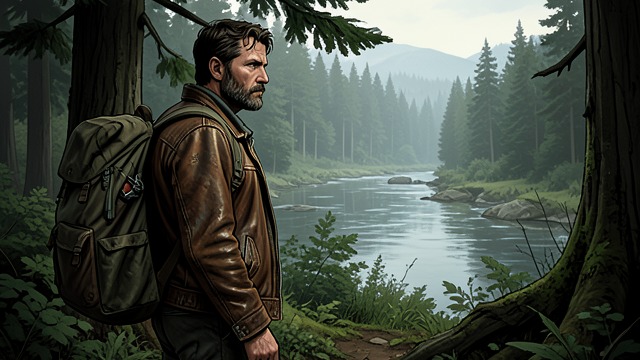
A Story from Franz
The Father Behind the Cover
Franz tells Trond that his father used the cabin as part of the resistance route. The story reveals a hidden adult life that Trond’s family never discussed.
The Landscape Changes
After hearing it, Trond finds the village, forest, and river altered in his perception. The places remain physically the same, but their history now includes danger and secrecy.
The account illustrates how knowledge can remake familiar scenery. Trond’s father becomes more understandable in one respect and more distant in another.
The Past Made Present
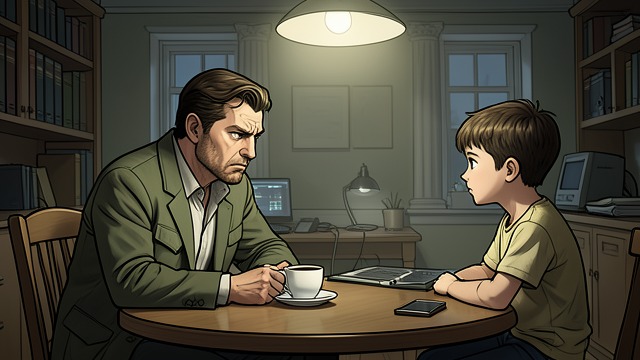
The Past Made Present
A Recognition Without Accusation
Lars Haug tells Trond that he knows who he is. Trond connects the man at his table to the boy whose family suffered after Odd’s death.
Time Collapses
The recognition makes the decades between them feel strangely light. Trond remembers the confusion of that summer and the questions he could not ask.
The past is not a distant country while its people remain alive. It can enter an ordinary meal and unsettle the present without announcing what it wants.
The Imagined Goodbye
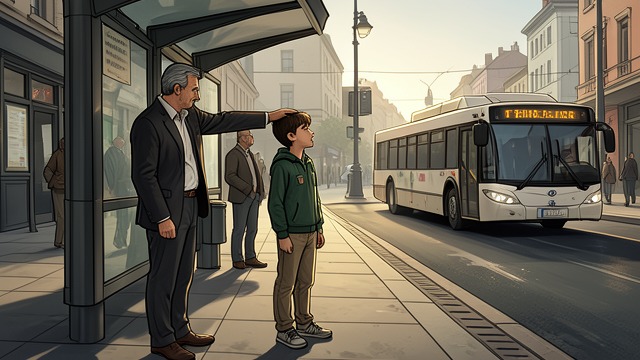
The Imagined Goodbye
A Scene Replayed
Trond remembers the last morning at the shop, his father’s hand on his head, and the bus carrying him away. He imagines what an audience might shout at the man under the oak.
Knowledge He Did Not Have
The imagined rebuke belongs to the adult looking back, not the boy who boarded the bus without knowing what would follow. At the time, Trond still believes his father will come home.
The scene shows memory adding emotion without changing what the boy could know. Trond’s later understanding cannot erase the uncertainty he experienced then.
Past and Present Overlap
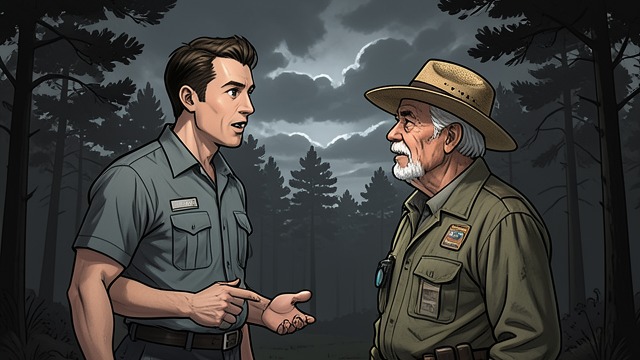
Past and Present Overlap
A Present-Day Conversation
As Trond works with Lars Haug, memories of 1948 and the wartime years repeatedly rise into his thoughts. The old events are not separate from the labor in his yard.
A Different Relation to Time
Trond realizes he can enter memory while still feeling the present in his body. The past no longer seems wholly foreign, though its meanings remain difficult to settle.
His story moves between eras because recollection is an active process. Each encounter gives an old scene new weight and changes how he understands the person remembering it.
After Lars Haug’s first visit in 1999
Summer 1948, after the funeral
At the supper table in 1999
During Trond’s wait at the station in 1948
During the first winter snow of 1999
